

Logitravel

Japan: Tokyo, Fuji, Kyoto and Central Japan, classic tour

Tokyo, Fuji, Kyoto and Central Japan

Tokyo, Fuji, Kyoto and Central Japan

Japan, 17 Days · Classic tour

Discover the main island of Japan in-depth

Our specialists have devised this route so that, when you return, you will have got to know the most important aspects of the main and largest island of the Land of the Rising Sun. Be surprised by Tokyo, the capital, full of towering buildings and dominated by neon when night falls; Kawaguchiko and Mount Fuji National Park, a natural sanctuary where we will meet one of the national landmarks, the Fuji-san; Kyoto, the former Imperial capital, and neighbouring Nara, where the Todaiji temple and the sacred deer park are located; Himeji and Okayama, where samurai heritage awaits; Hiroshima, a permanent reminder of what should never be repeated, and the sacred island of Miyajima; Mt. Koya, where we will learn how the monks live and stay overnight in a temple; and Nikko, with its impressive temples nestled in the mountains north of Tokyo.

Come on, you can't miss it!
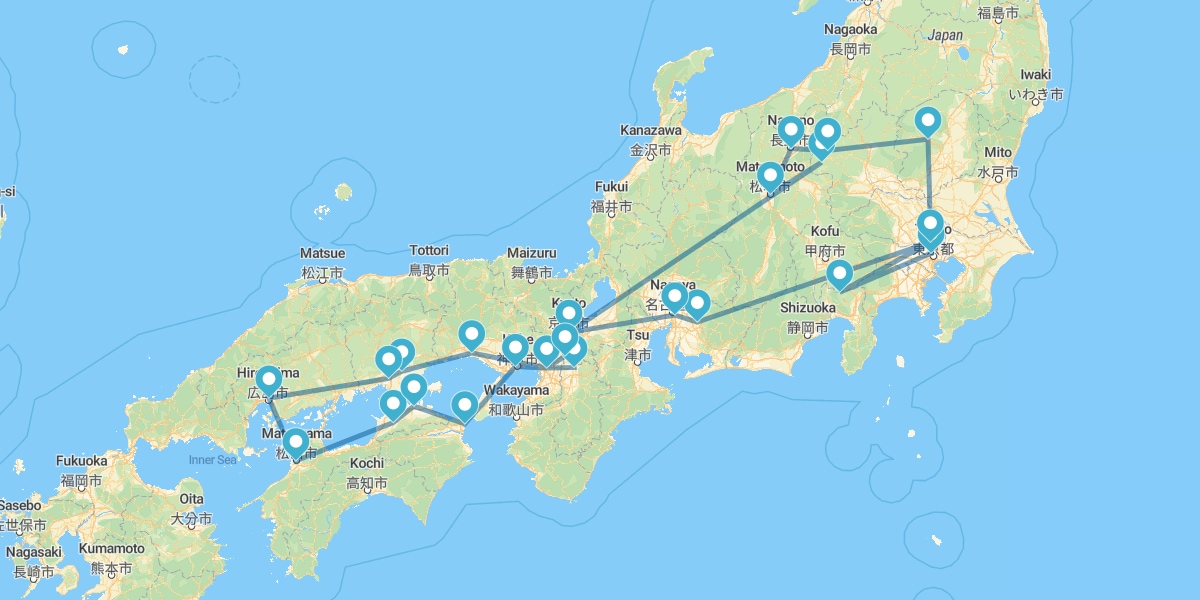
Tokyo, Fuji, Kyoto and Central Japan
Exotic
Cultural
Urban

Departure date:Departures from June 2026 till March 2027

Departures from:London, Birmingham, Manchester, Edinburgh, Glasgow

Travel details

City of origin - Tokyo

Day 1: Departure with destination Tokyo. Night on board.

Tokyo

Day 2: Arrival in Tokyo and transfer to the hotel by shuttle bus. Free time. Overnight stay.
Day 3: Breakfast. We dedicate the morning to an extensive guided tour of approximately five hours through this impressive city. Its frenetic activity and ultra‑modern districts coexist with areas filled with calm and serenity. We begin with a brief stop at Zojoji Temple, where we will have the opportunity to take an excellent photograph of Tokyo Tower. Particularly notable at this temple are the hundreds of jizos, stone deities who act as guardians of children and are adorned with woollen hats, bibs and windmills. We then visit the famous Shibuya crossing, the busiest pedestrian crossing in the world. Afterwards, we visit the Meiji Shinto Shrine, dedicated to the spirits of Emperor Meiji and his wife. From there, we continue by coach along the elegant Omotesando Avenue, an important shopping district. We skirt the Imperial Palace and its gardens, stopping to visit the famous Nijubashi Bridge. We then pass through the Akihabara district, known as the city of electronics and the centre of Japanese manga and anime culture. Next, we head to the tallest structure in the country, Tokyo Skytree, with entrance included. We also visit the Buddhist temple of Sensoji, also known as Asakusa Kannon, the oldest and most important temple in Tokyo, with its 55‑metre‑high pagoda, as well as Nakamise Shopping Street, lined with small stalls ideal for purchasing souvenirs. Return to the hotel. In the afternoon, we meet the guide again to travel by underground to Shinjuku, where we will walk to a local restaurant to enjoy dinner. Return to the hotel. Overnight stay. Note: The order of visits may be subject to change depending on the allocated entrance time to Tokyo Skytree. In the event of adverse weather conditions or other exceptional circumstances, access to Tokyo Skytree may be restricted. In such cases, an alternative visit to another iconic observation deck in the city will be offered.
BreakfastDinner

Tokyo - Mount Fuji - Kawaguchiko

Day 4: Breakfast. We'll make our way towards the stunning area around Mount Fuji, passing by breathtaking landscapes en route. First stop will be Arakurayama Sengen Park, with its spectacular pagodas and outstanding views of Mount Fuji. Arrival in Kawaguchiko, an idyllic town with small houses, flowers and mountains next to a gorgeous lake. Upon arrival we will visit the Fuji Sengen Shrine, a special place where, traditionally, the pilgrimage road to the mountain began. In the sanctuary we can give thanks for being able to visit this magical place. We'll also take a boat trip on Lake Kawaguchiko. We then begin the ascent towards Mount Fuji via the road that takes us to the Fifth Station, at 2,305 metres. In the afternoon we return to Kawaguchiko, where we will stay in a ryokan, a traditional Japanese-style overnight stay. There, we can enjoy the hot spring waters in its onsen and have dinner. Accommodation.
BreakfastDinner

Kawaguchiko - Iyashi no Sato Nenba - Nagoya - Kyoto

Day 5: Breakfast. In the morning, we drive along a beautiful road that runs alongside lakes to visit Iyashi No Sato Nenba, a small village destroyed by a cyclone in 1966 and later restored as an open-air museum. Its classic houses have been converted into artisan shops, restaurants, and traditional museums. We then visit the Shiraito Falls, considered to be one of the most beautiful waterfalls in Japan, with a 20-metre drop. Then it's on to Nagoya, Japan's third largest city, which sits on the shores of the Pacific. There we will visit the Toyota Museum, a must for car lovers. Onward journey to Kyoto, check-in, and overnight stay.
Breakfast

Kyoto

Day 6: Breakfast at the hotel. We'll set off first thing so we can have all day to spend in the city that was the capital of Japan from 794-1868, when the seat of the Imperial Court was located there. This city was the only major Japanese city not bombed during the Second World War, which is why it has preserved its rich artistic heritage. Moreover, the Kyoto Protocol, aimed at limiting greenhouse gas emissions, was signed here in 1997. We'll also see the city's main tourist attractions. We'll visit Arashiyama; cross the Togetsukyo Bridge (which translates as 'moon-crossing bridge' and commands wonderful views); see the Tenryuji Temple, one of the five great Zen temples of Kyoto; and stroll through the mystical bamboo forest. We'll then visit the wonderful Shinto shrine of Fushimi Inari, the Imperial Palace, and the Kinkakuji Temple, popularly known as the Golden Pavilion, with its truly magnificent gardens. After that, we’ll have some time before taking a stroll through Gion, the city's most traditional district, where, with a bit of luck, we might catch a glimpse of an elusive geisha. Free time. Accommodation.
Breakfast

Kyoto - Nara - Osaka

Day 7: Breakfast. We will go to Nara to visit the Buddhist temple of Todaiji, which dates back to the year 752, to marvel at its giant Buddha, and enjoy the park well known for its sacred deer. Lunch at a local restaurant. After lunch we will visit the Buddhist temple of Horyuji, a complex that brings together a seminary, monasteries and temples. Its main pagoda is one of the oldest preserved wooden buildings in the world and is considered the oldest Buddhist temple in Japan, besides being an important place of worship. Continue to Osaka. At night we will walk through the neighbourhood of Dotonbori, glistening with neon lights and buzzing with all sorts of nightlife. Accommodation.
BreakfastLunch

Osaka - Himeji - Okayama

Day 8: Breakfast at the hotel. Departure towards Himeji, entering its immense castle for a perfect sample of Japanese castle architecture. Lunch at a local restaurant. We then move on to Okayama to visit Korakuen, one of Japan's most beautiful gardens where we can enjoy lakes, waterfalls and traditional tea houses. A pedestrian bridge takes us to Okayama Castle, which we'll see from the outside. Overnight stay in Okayama. Note: On specific dates, accommodation may be in Kurashiki or in Fukuyama.
BreakfastLunch

Okayama - Kurashiki - Miyajima - Hiroshima

Day 9: Breakfast. Next stop will be Kurashiki, a city with a very well-preserved historic quarter. We'll have time to stroll around this charming town and soak up its atmosphere reminiscent of a bygone era. We'll then head to Hiroshima, the city sadly known for being hit and completely destroyed by an atomic bomb in 1945. We'll wander around the Peace Memorial Park, the Atomic Bomb Dome, and the chilling Peace Museum. Next stop is Miyajima, the island where 'people and Gods live together', with the shrine of Itsukushima dedicated to the guardian of the seas and built partially on the waters of the bay. We'll get to the island by ferry. Time at leisure to visit the temple and stroll around the beautiful town centre. In the afternoon, return journey to Hiroshima for dinner and overnight stay.
BreakfastDinner

Hiroshima - Matsuyama

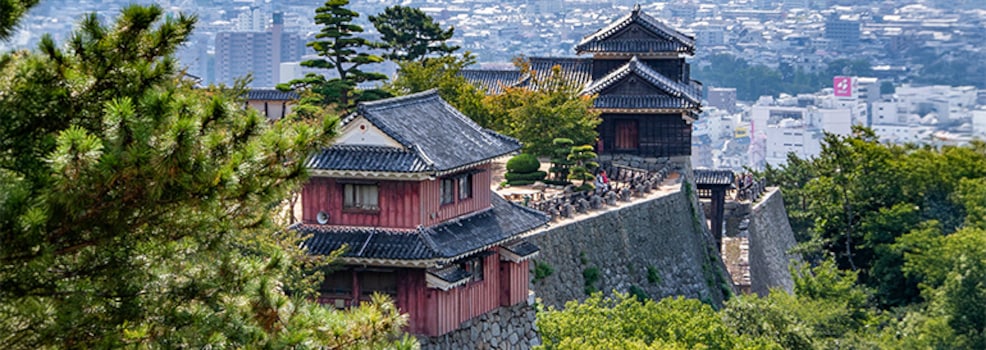
Day 10: Breakfast. Today, we'll take a ferry to the island of Shikoku, a pleasant two-and-a-half-hour crossing. In Matsuyama, we'll take a cable car up to its magnificent castle. We'll then visit Ishite-ji, a stunning Buddhist temple and place of pilgrimage. Lunch at a local restaurant. We will end our afternoon in Dogo Onsen, a traditional Japanese hot spring built in the 19th century. Overnight stay in Matsuyama.
BreakfastLunch

Matsuyama - Kotohira - Takamatsu - Naruto - Kobe

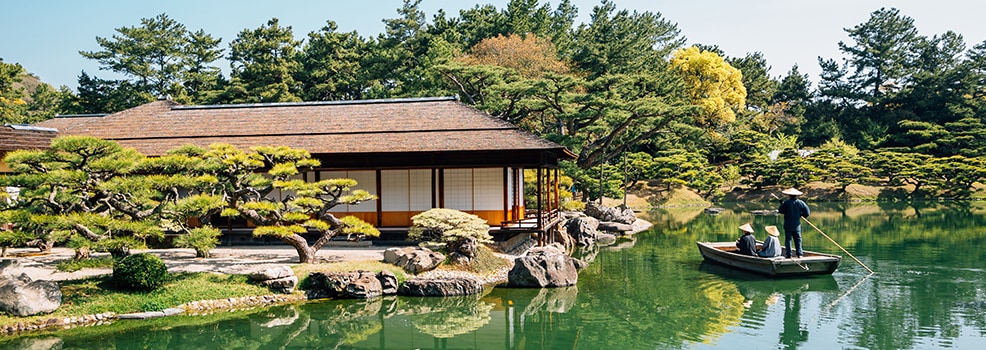
Day 11: Breakfast. We'll set off for Kotohira, the site of a Shinto shrine dedicated to the god of sailors and a place of pilgrimage. Built atop Mount Zozu, we'll get there by climbing 785 steps. Later on in Takamatsu, we'll head over to Ritsurin Garden, one of the most beautiful in Japan. Lunch at a local restaurant. Afterwards, we'll head to Naruto, where an impressive bridge spans the sea. We'll stop to learn about the bridge and walk along its glass floor, admiring the impressive swirling whirlpools from forty-five metres above. Afterwards, having driven across huge bridges from island to island, we'll arrive in Kobe. Accommodation.
BreakfastLunch

Kobe - Osaka - Mt. Koya

Day 12: Breakfast. In Kobe we visit the Kobe Earthquake Memorial Museum, which serves as a memorial to the tragic earthquake that devastated the city in 1995 and a record of its impeccable reconstruction. After passing through Osaka, we drive to the sacred mountain of Koya, the most important centre of Shingon Buddhism in Japan. This mountain is a place of pilgrimage and magic and is home to 120 temples and monasteries. We visit the Okuno Mausoleum, a spiritual place and an immense natural cemetery with more than 200,000 graves. We also visit the Kongobuji Temple, which was built in 1593. We will also visit the temple of Kongobuji, which was built in 1593. We'll then spend the night in a Buddhist monastery, where the monks will give us a lesson in Zen meditation (Ajikan). Vegetarian dinner included. If we wish, we can attend the religious ceremony of the temple at dawn. Please note: Due to the shorter daylight hours in winter, there may not be enough time to enter the Kongobuji Temple. We cannot guarantee the meditation practice on busy tourist dates. The capacity of the shukubos is limited, so it may be replaced by a hotel in a nearby location.
BreakfastDinner

Mt. Koya - Kyoto

Day 13: Japanese breakfast at the temple. Today we'll go to Kyoto. We will head there first thing in the morning and, when we arrive, we will have the rest of the day free to get to know the city. Accommodation.
Breakfast

Kyoto - Tsumago - Matsumoto - Nagano

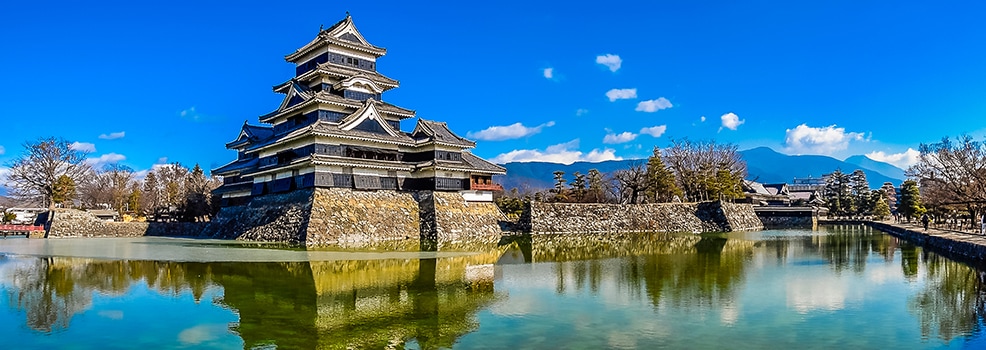
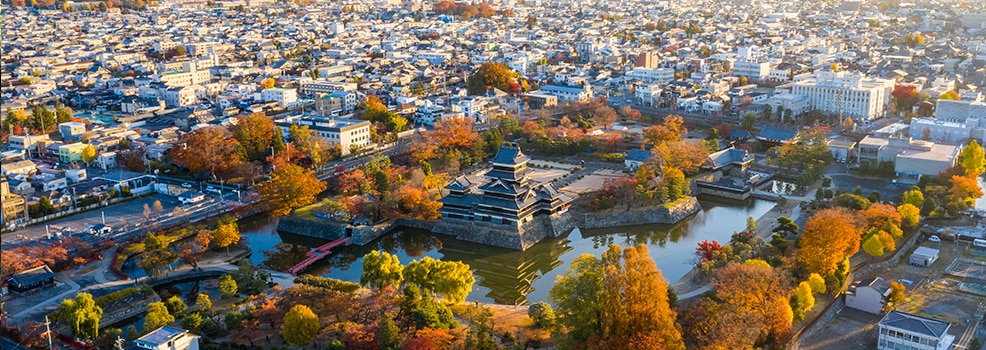
Day 14: Breakfast. Traversing beautiful rural landscapes our route continues to Tsumago, a small town with wooden buildings, considered one of the most beautiful in Japan. We can take a stroll through its streets. Lunch at a local restaurant. We'll then continue on to Matsumoto, a touristy city where we can visit a striking 16th century castle commonly known as the 'castle of the crows'. Afterwards, we will continue to Nagano. Overnight stay in Nagano.
BreakfastLunch

Nagano - Monkey Park - Kusatsu - Ikaho Onsen

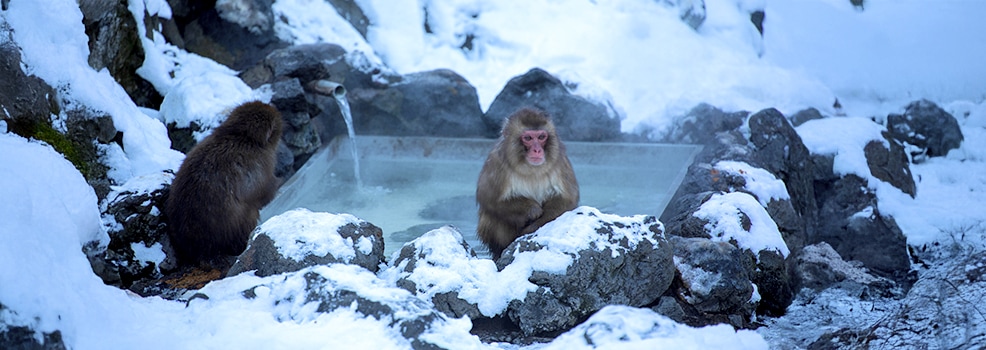
Day 15: Breakfast. Today we'll venture into the stunning Japanese Alps. In Nagano we'll see Zenko-ji, a place of pilgrimage which is home Japan's first Buddhist image, and attend the Gomakuyo ceremony which will bring us good fortune. Then we'll travel through tall mountains to the Jigokudani Monkey Park. We'll have lunch and stroll through its forests, admiring as we go the rivers and thermal springs where colonies of Japanese macaque monkeys live and bathe. After that, we'll soak up the beautiful mountain scenery (we'll be 2172 metres up) as we pass by semi-active volcanoes on our way to Kusatsu, a delightful spa town with a lively central square. We'll watch the Yumomi performance, in which the actresses and songs will teach us about the traditional method used for cooling the hot springs. We'll then take a stroll through the city's park, which is home to an open-air onsen. Continue to Ikaho. Arrival at Ikaho, a picturesque thermal city. We will take a stroll through its historical centre and we will stay in a ryokan, a traditional Japanese-style accommodation, where we can enjoy its thermal baths. Traditional Japanese dinner included. Note: On specific dates, accommodation may be in nearby cities such as Takasaki or Maebashi in Western-style hotels with Western-style dinner and without onsen.
BreakfastLunchDinner

Ikaho Onsen - Nikko - Tokyo

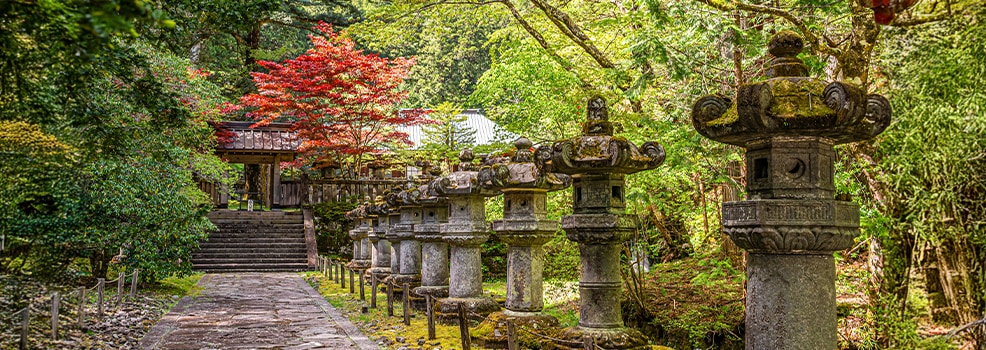
Day 16: Breakfast. Afterwards, we continue to Nikko, where we will visit the impressive temple of Nikko-Toshogu, in which the room with the sound of the dragon is a highlight. We'll also visit the Taiyuinbyo mausoleum, an impressive and wonderfully peaceful place. We will take a stroll along the river in the Kanmangafuchi Abyss, with hundreds of Jizos watching us as we go! We will have some free time before leaving for Tokyo, the capital. Arrival and overnight stay.
Breakfast

Tokyo - City of origin

Day 17: Breakfast. Transfer to the airport at the prearranged time. Flight with destination the city of origin. Arrival. End of the trip and our services.
Breakfast

Your trip includes

  • Return flight.

  • Overnight stay in the listed hotels, or similar.

  • Ferry crossings according to the itinerary.

  • Transport in vehicles appropriate to the size of the group.

  • Transfers according to the itinerary.

  • Visits on regular tours that are mentioned and not listed as optional.

  • Bilingual Spanish- and English-speaking local guides.

  • Transport for 1 suitcase of standard dimensions up to 30 kg per person.

  • Diet: 15 breakfasts, 6 lunches, 5 dinners.

  • Insolvency protection.

Your trip doesn't include

  • Any other service not previously mentioned as included.

Reviews Tokyo, Fuji, Kyoto and Central Japan

ANTONIO Melilla.

Magnifico viaje, muy bien organizado y con un equipo de guías insuperables

Jose Rodriguez

En general el viaje ha estado bien organizado .pero el segundo día en el paseo por la calle comercial Nakamise acabamos en un restaurante realmente malo, cuando llegamos estaba la comida servida, es decir, sopa fría, carne cocida fria y lo demas deplorable. Deberían de quitarlo de la ruta. Demasiados traslados en autobús cuando se podía haber utilizado el tren. Los dos últimos días han sido duros, teniendo en cuenta que teníamos acumulados el cansancio de 15 días. Creo que esa ruta se debería de poner a la mitad del circuito. Los guías son buenos, se complementan entre ellos.

Alberto Alberto

La ruta es muy completa y nos gustó el inconveniente principal, los cambios de autocar y de guías fueron 6 en los 15 días de tour. Así como el del almuerzo del 5° día que en programa se incluye y el operador Europamundo, no lo hizo y tuvimos que pagar nosotros

Jesús

Buen tours

Destinations Visited

Expected Hotels (or similar)

In this section you will find a selection of hotels according to the category specified in the itinerary.

Flight

Overnight stay on board.

Flight

Important remarks

  • Triple rooms in Japan are generally rooms with twin beds or a double, in which a folding bed is installed to accommodate the third person. Due to the inconvenience this causes, we advise against using this option as far the possible.
  • Please check with your international vaccination centre about the recommended healthcare measures in Japan.
  • Depending on the return flight, the trip may be one day longer.
  • In Japan double beds are not common. If you want to have rooms with double beds during your trip, you must let us know in advance. We will do everything possible so that you can enjoy them, but we can not guarantee their use in advance in any case; They will always be subject to availability upon arrival at each of the hotels. Individual rooms may be, in some cases, smaller than the double rooms.
  • In general, people with tattoos are not accepted in the onsen for cultural reasons. If they're small tattoos, they could be covered with a plaster, but access isn't guaranteed if the tattoos are large.
  • If your reservation includes accommodation in a ryokan, please note that it may have a traditional setup with futons or a semi-western setup with beds, depending on the ryokan.
  • Triple rooms in Asia are generally rooms with twin beds or a double, in which a folding bed is installed to accommodate the third person. Due to the inconvenience this causes, we advise against using this option as far the possible.
  • Check-in time at the hotel on the day of arrival depends on each establishment, but in no case will it be before 3:00 p.m., unless otherwise indicated.
  • If the total number of passengers in the group is 5 or fewer, the city tour in Tokyo will be carried out by hop-on, hop-off tourist bus.
  • In winter, the route that leads to Mount Fuji 5th Station is often closed by snow or as a result of other weather-related reasons. If this happens on your trip, you will reach the point permitted by the authorities.
  • Due to the shorter daylight hours in winter, there may not be enough time to enter the Kongobuji Temple. We cannot guarantee the meditation practice on busy tourist dates. The capacity of the shukubos is limited, so it may be replaced by a hotel in a nearby location.
  • In autumn in Jigokudani, depending on the abundance of fruit of the mountains, the movement of the monkeys is unpredictable: they may not travel down to the park, so the park could be kept closed. In winter, meteorological factors may affect the monkey park, leading to the planned park visit being suspended. Furthermore, from November to April the Kusatsu visit and the Yumomi show do not operate.
  • Due to high hotel occupancy and limited availability in some seasons, hotels selected may be different from those mentioned.
  • On certain dates, entry to the Kobe Earthquake Museum may be replaced with a visit to the Sake Museum or a trip up the Kobe Tower.
  • At the monastery accommodation, the rooms will be simple, without a bathroom, in traditional Japanese style with tatami mats and shared bathrooms.
  • On certain dates, accommodation may be arranged in nearby cities such as Takasaki or Maebashi, in Western-style hotels with a Western-style dinner and no onsen.
  • To make it easier to meet up with the transfer staff, we will need your mobile phone number.
  • The groups may be multilingual.
  • The view of Mount Fuji depends entirely on the weather and can never be guaranteed.
  • The order of the itinerary may be altered for logistical reasons, without prior notice, but no scheduled trips will be cancelled (except in the case that adverse weather conditions prevent its realisation).
  • A credit card is considered a guarantee, so sometimes you will need one for check-in at hotels.
  • Prices are calculated based on admission fees to the sights as of the date of publication. If there is an increase in these prices, you will be promptly informed.
  • If you are a person with reduced mobility, please contact us to confirm the suitability of the trip.
  • Consult the necessary documentation to enter the destinations visited and for transit in the countries where air stopovers are made.