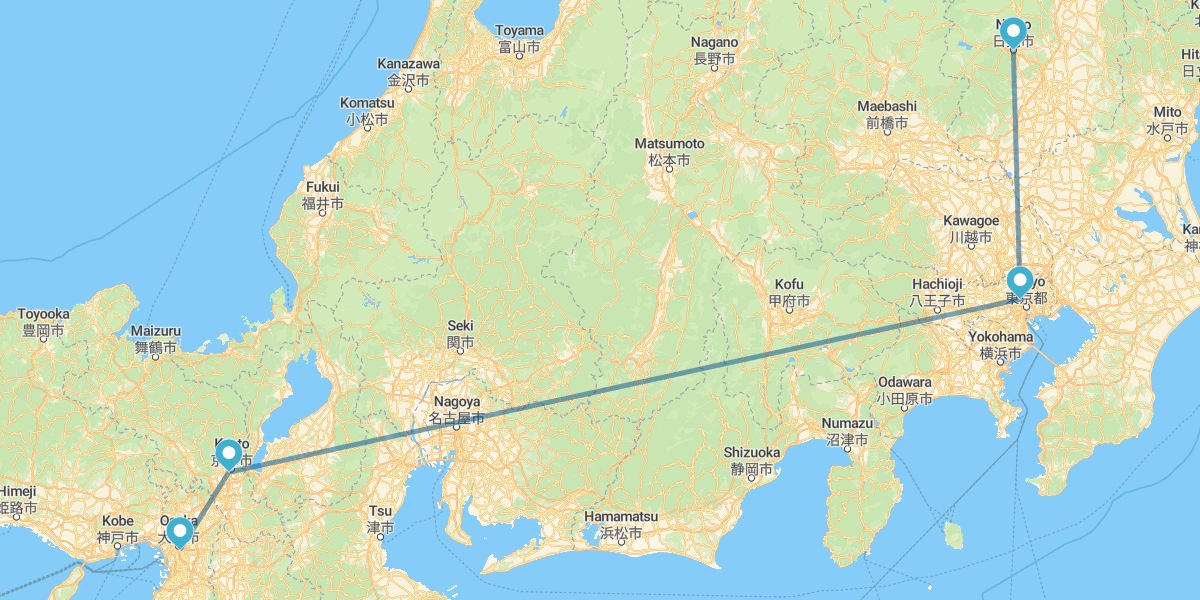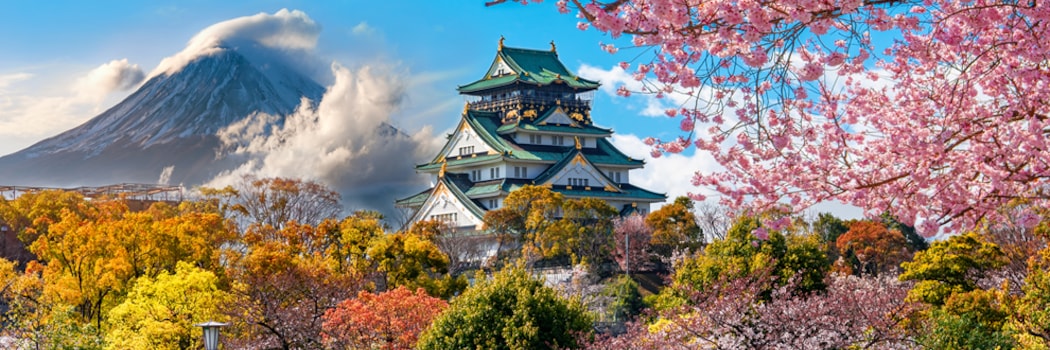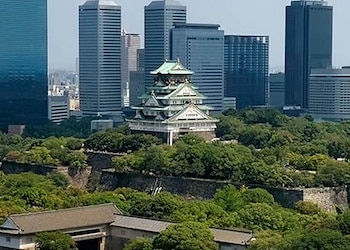


As Japan’s third‑largest city, Osaka is one of the country’s most appealing destinations. Its iconic landmark, Osaka Castle, is considered the most visited tourist attraction in Japan, a symbol of power since the late 15th century. The city also stands out for its modern and innovative projects, such as the futuristic Umeda Sky Building, a 173‑metre‑high skyscraper with panoramic views, the impressive Osaka Aquarium, one of the largest in the world, and its major theme parks, including Universal Studios Japan. The lively district of Dotonbori offers an excellent introduction to Osaka’s vibrant nightlife and famous karaoke venues.
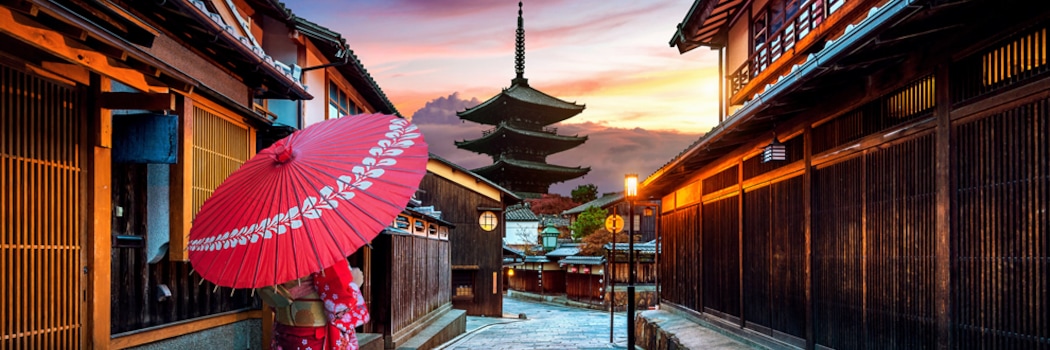
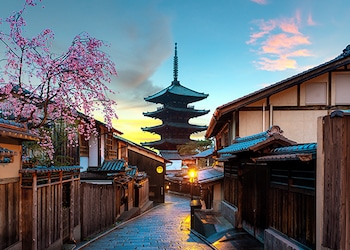
Former capital of Japan from the 8th to the 19th century, Kyoto preserves an exceptional cultural and artistic heritage. Castles, palaces, temples, shrines and gardens reveal themselves at every turn. Highlights include Nijo Castle, the 1,001 statues of Sanjusangendo Temple, Kiyomizu‑dera, Ryoan‑ji, the Silver Pavilion, the Golden Pavilion and the Imperial Katsura Villa. The Gion district is the perfect place to discover traditional theatre, classical arts and the world of the maiko.
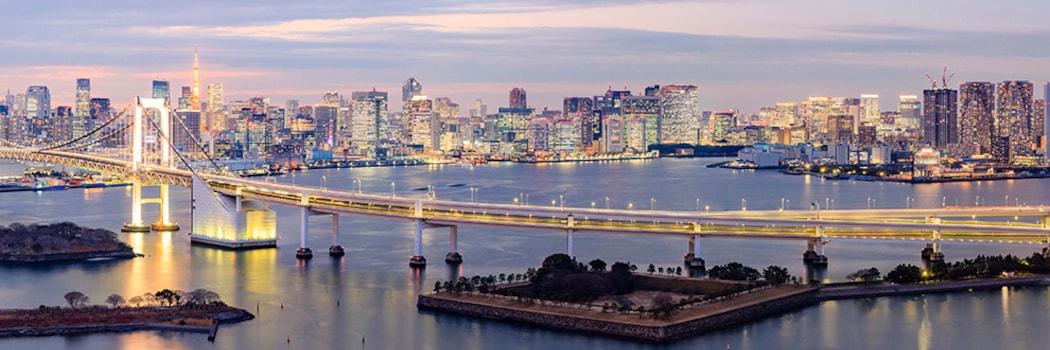
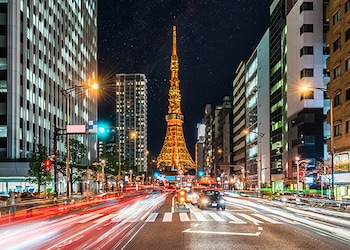
Modern, eccentric, unparalleled, extravagant, attractive, crazy, fun, solemn, traditional... Words struggle to define a city like Tokyo, a vibrant global metropolis with thirteen million inhabitants. Despite spearheading technological innovations and urban modernity, it retains a perpetual traditional soul that makes it a potpourri of contrasts. Highlights awaiting you include the Akihabara neighbourhood, a true geek's paradise; the world-famous Shibuya Crossing, where up to a thousand people can coincide at the same time; or the area known as Golden Gai, a maze of winding streets and narrow two-storey wooden buildings full of cute bars, each with its own eccentric character. And this is just the tip of the iceberg of the endless attractions offered by the unforgettable capital of Japan.
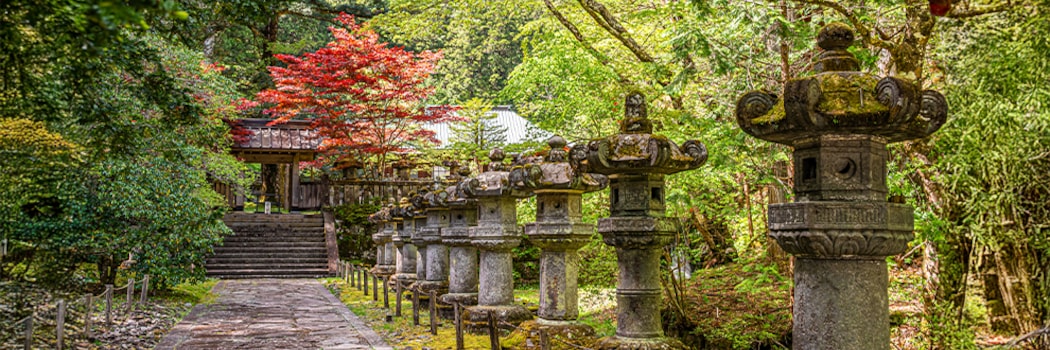
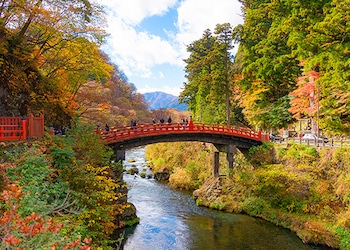
Located in Tochigi Prefecture, north of Tokyo and around 140 kilometres from the capital, Nikko is one of Japan’s most important cultural and natural destinations. Designated as a UNESCO World Heritage Site, the area is renowned for its majestic shrines and temples set amid cedar forests, creating a solemn and spiritual atmosphere. The main monumental complex lies in central Nikko, where highlights include the Toshogu Shrine, dedicated to Tokugawa Ieyasu, the Futarasan Shrine and Rinno‑ji Temple. Overall, Nikko offers a balanced combination of heritage, nature and tranquillity, with easy access from Tokyo.
Spending one night in a ryokan adds a distinctive cultural dimension to the journey. Beyond accommodation, it offers an introduction to a more tranquil approach to Japanese hospitality, where atmosphere, design and traditional customs are integral to the stay. Rooms in Japanese or semi‑Western style, a calm setting and the widespread presence of shared onsens create a restorative pause within the itinerary. In some cases, the experience is further enhanced by the option of a private onsen, bringing added value to a journey through Japan.