


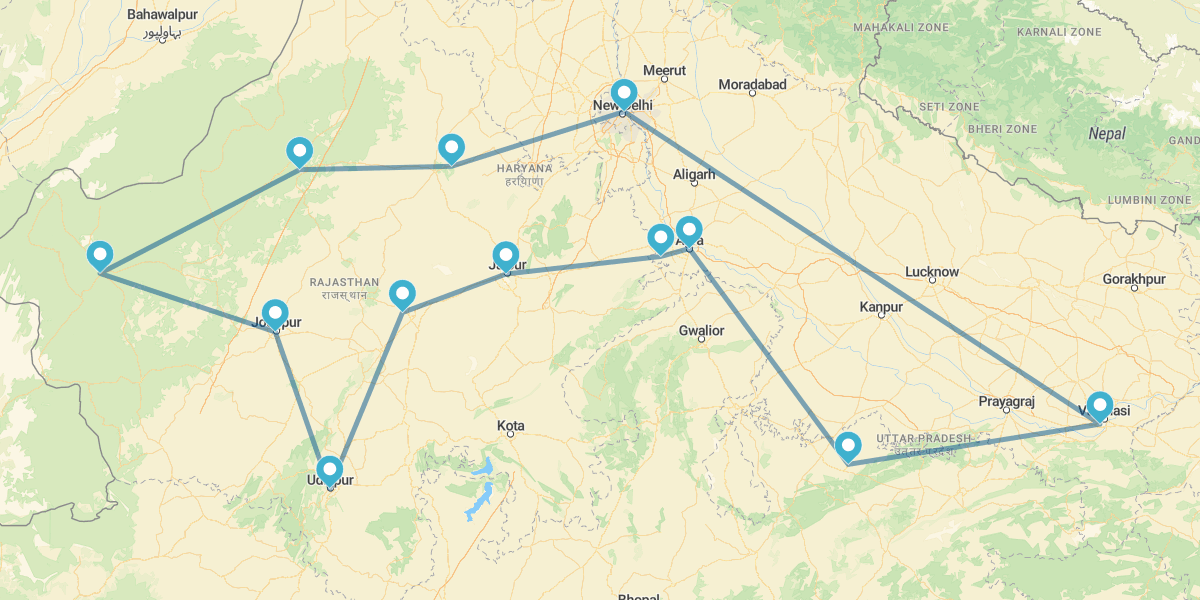
Looking for a trip to India that takes you to everything you've always wanted to visit? Embark upon this itinerary of legends, palaces, world-famous monuments, spectacular landscapes, vestiges of ancient families of power, mythology, worship, and customs. Let your senses be the gateway to experiences you'll never forget.

Rajasthan, Golden Triangle, Khajuraho, and Varanasi
India, 19 Days · Classic tour
North India in full
Departure date:Departures from August 2026 till September 2026
Departures from:London, Birmingham, Manchester, Edinburgh, Glasgow
Travel details

City of origin - Delhi
Day 1: Departure with destination Delhi. Arrival and transfer to the hotel. Accommodation.


Delhi - Mandawa
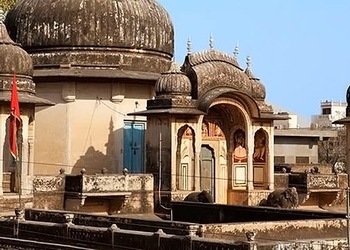
Day 2: Breakfast. Departure by road to Mandawa, located in the Shekhawati region, which once was part of the Silk Road. Its inhabitants, rich merchants, decorated their houses, known as havelis, with paintings reflecting religious, historical, folklore and social issues. In the afternoon, we'll visit the havelis of Mukundgarh, Jhunjhunwala, Chowkhani, Gulab Rai Ladia, Lakshminarayan Ladia, Mohahanlal Saraf and Bhagchandika, as well as several of the painted mansions. Dinner and overnight stay.
BreakfastDinner


Mandawa - Bikaner
Day 3: Breakfast. Departure to Bikaner, enjoying a picturesque view of the desert en route. The city, more popularly known as the "Land of the Camels", was founded by Rao Bikaji in 1488. Arrival and transfer to the hotel. Afternoon tour of the city, Junagarh Fort and its museum (built between 1588 and 1593 by Raja Jai Singh), and the Jain temples. Dinner and overnight stay.
BreakfastDinner


Bikaner - Jaisalmer
Day 4: Breakfast. Departure to Jaisalmer via the Thar Desert. Rising from the heart of the desert, like a golden mirage, is the city of Jaisalmer. It has a fascinating legend, according to which Lord Krishna - the ruler of the Yadav Clan - foretold Arjuna that a remote descendent of the Yadav Clan would build their kingdom atop the Trikuta hill. His prophecy was fulfilled in 1156, when Rawal Jaisal, a descendent of the Yadav Clan and a Bhatti Rajput, abandoned his fort at Lodurva and founded a new capital, Jaisalmer, perched on the Trikuta hill. Arrival and check-in at hotel. Dinner and overnight stay.
BreakfastDinner

Jaisalmer
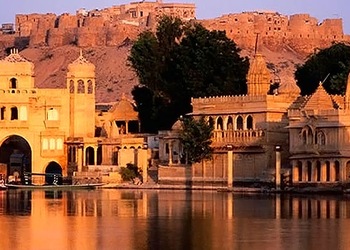
Day 5: Breakfast. Morning tour around the city of Jaisalmer, dominated by the Sonar Fort, believed to be the oldest permanently inhabited fort in the world. We'll also visit Lake Gadisar and the havelis of Patwon Ki and Salim-Singh-Ki. In the afternoon, we'll set off for the Sam Dunes. We'll admire the sunset from the dunes, watching the sky light up while enjoying a camel ride. Dinner and overnight stay.
BreakfastDinner

Jaisalmer - Jodhpur
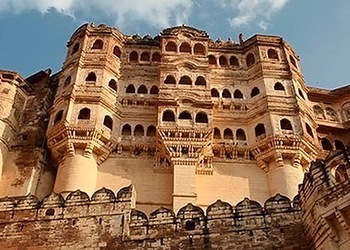
Day 6: Breakfast. Morning departure by road to the city of Jodhpur in the Thar Desert, founded in 1459 by King Rao Jodha and famous for its fortress with majestic palaces and elegant buildings. Arrival and transfer to the hotel. In the afternoon, we'll visit the city, including the Maharajah's Palace, the Mehrangarh Fort and its museum. Within the fort are a number of palaces added by successive rulers, hosting - among other marvels - a range of miniature paintings from various schools and also a collection of musical instruments. Then we'll stop at Jaswant Thada, the memorial to Maharaja Jaswant Singh built in 1889 in white marble, followed by a visit to the clock tower and the local market. Dinner and overnight stay.
BreakfastDinner

Jodhpur - Ranakpur - Udaipur
Day 7: Breakfast. Morning departure by road to Udaipur, visiting en route the famous Jain temples in Ranakpur, which date back five hundred years and are best known for the central temple called Chaumukha, with its twenty-nine marble halls supported on 1,444 pillars. The building is full of intricate friezes and sculptures. Visit to two more Jain temples and the Temple of the Sun God, with its erotic sculptures. Onward journey to Udaipur, a beautiful city surrounded by sky-blue lakes and perched at the foot of the lush Aravallis mountains. Udaipur is a fascinating fusion of sights, sounds and experiences, providing inspiration for the imagination of poets, painters and writers. Arrival and transfer to the hotel. Dinner and overnight stay. Note: audio guides are used in the Jain temple.
BreakfastDinner

Udaipur
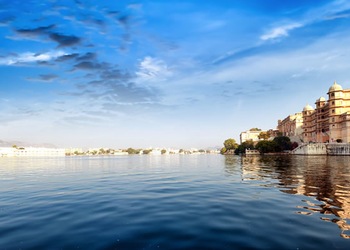
Day 8: Breakfast. City tour in the morning taking us places such as the Royal Palace, built in limestone and decorated with exquisite works on mirrors, tiles, ornaments and multicoloured mosaics that adorn its beautiful rooms; the Jagdish Temple, dedicated to the god Vishnu; and Sahelion ki Bari, the gardens of the Ladies of Honour with beautiful Mughal-style fountains and ponds. In the afternoon, we'll take the ferry across the placid waters of Lake Pichola, marvelling at the sunset and visiting the palace-island of Jag Mandir. Dinner and overnight stay.
BreakfastDinner

Udaipur - Pushkar
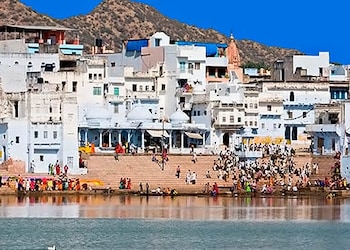
Day 9: Breakfast. Departure to Pushkar, an ancient city home to the only temple dedicated to the God Brahma, "Creator of the World and the Hindu Trinity". Arrival and transfer to the hotel. In the afternoon, we'll visit the famous Brahma Temple and Lake Pushkar, with some 400 temples and 52 ghats (steps leading down to the waters) surrounding the lake. Dinner and overnight stay.
BreakfastDinner


Pushkar - Jaipur
Day 10: Breakfast. Morning departure by road to Jaipur, the capital of Rajasthan, with its distinctive dark pink buildings, a colour that represents hospitality according to local tradition. Founded by Raja Jai Singh in the eighteenth century, it's surrounded by hills crowned by forts and palaces that have inspired many a legend. Arrival and transfer to the hotel. Afternoon visit to a Hindu temple. Dinner and overnight stay.
BreakfastDinner

Jaipur - Amber - Jaipur
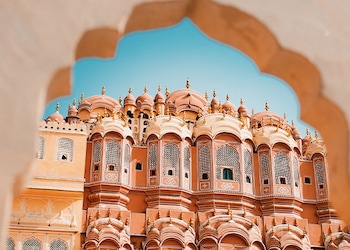
Day 11: Breakfast. Early departure to Amber Fort. In the afternoon, the tour of Jaipur will stop at places such as the Maharaja Palace (also known as the city palace) and Jantar Mantar, an astronomical observatory built in stone and marble by Jai Singh between 1728 and 1734. En route we will make a brief stop to take the customary photograph of Hawa Mahal (Palace of the Winds). Lastly, we'll take a stroll through the old quarter. Dinner and overnight stay.
BreakfastDinner


Jaipur - Fatehpur Sikri - Agra
Day 12: Breakfast. In the morning, departure by road to Agra. En route, we will visit the abandoned city of Fatehpur Sikri and its palace, built by King Akbar in the 16th century and in which several civil buildings stand out, such as the Diwan-I-Am, Diwan-I-Khas, the Jodhabai palace, the house of Birbal, the house of Marian and the Panchmahal. We will continue the route to Agra. Arrival and transfer to the hotel. Dinner and accommodation.
BreakfastDinner

Agra
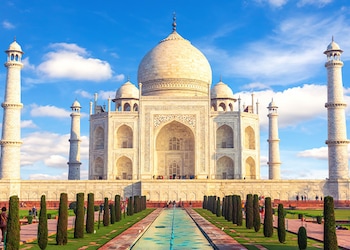
Day 13: Breakfast. At first thing, we'll head off to the Taj Mahal, a truly jaw-dropping monument to love with architecture in white marble. Shah Jahan ordered its construction as an expression of his love for his beautiful wife, Mumtaz Mahal. Work of Persian architect Ustad Isa, it took twenty-two years to build and has become one of the wonders of the world. Its design is imposing, with a perfect symmetry that is broken only inside the main building. It boasts elegant carved domes and, among other examples of outstanding craftsmanship, the best stone inlay work ever seen. Later we'll visit Agra Fort, which was built by Emperor Akbar between 1565 and 1573 and reflects the Mughal talent for combining defensive architecture with beauty and design. This fort-palace was started by Akbar the Great as a purely defensive citadel and was later completed by two successive generations, who added the delicate marble mosaic work and the magnificent palaces. The fort commands a magical view of the Taj Mahal. Then we'll visit Itmad-ud-Daulah, nicknamed the Baby Taj, an exquisite tomb in honour of Mirza Ghiyas Beg built by his daughter. Dinner and overnight stay. Note: a technical visit to a marble workshop is included.
BreakfastDinner

Agra - Jhansi - Orchha - Khajuraho
Day 14: Breakfast. In the morning, transfer to the station to take the train to Jhansi. Upon arrival, departure by road to Khajuraho. En route, we'll stop off at Orcha, an interesting pocket-sized city full of palaces and temples. Arrival in Khajuraho. Dinner and overnight stay.
BreakfastDinner

Khajuraho - Varanasi
Day 15: Breakfast. Morning visit to the world-famous kama sutra temples of Khajuraho, built by the Chandela monarchy between 950 and 1050. They're known for their erotic teaching scenes. We'll also visit the temples of Kandariya Mahadev, Chaunsat Yogini, Visvanath, Lakshmana, Varaha and Chitragupta. In the afternoon, onward journey by road to Varanasi. Arrival in Varanasi, transfer to hotel, dinner, and overnight stay.
Note: As of the first departure in April, the journey from Khajuraho to Benarés will be made by train and dinner will be on the train. Arrival in Varanasi at night and transfer to the hotel. Accommodation.
BreakfastDinner

Varanasi
Day 16: Departure from hotel at dawn for a boat ride on the River Ganges. During the ceremony, we will see pilgrims immersing themselves in the river's waters in order to cleanse their souls. Afterwards, we'll see the crematoria ghats and visit the University of Varanasi, the Kashi Vishwanath temple, the Durga temple and the Bharat Mata temple. Return to hotel for breakfast. Later, we will head out to Sarnath, the place where Buddha gave his first sermon, the Maha-Dharma Chakra Pravartan, known as the Wheel of the Law. In Sarnath, among other structures, we will visit the ruins of the temple representing the Mulagandha Kuti, and other monasteries and stupas, including the Dhamekh Stupa. Sarnath also has a rich collection of Buddhist sculptures featuring numerous images of Buddha and Bodhisattva, which can be seen in the Archaeological Museum. In the evening, we'll attend the aarti religious ceremony dedicated to the River Ganges. Dinner and overnight stay. Note: During the monsoon season, it may not be possible to take boat trips on the Ganges.
BreakfastDinner
Varanasi - Delhi
Day 17: Breakfast. Free time. In the afternoon, transfer to the airport to take a domestic flight to Delhi. Dinner and accommodation.
BreakfastDinner

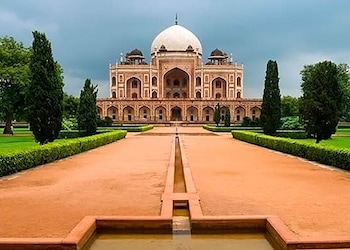
Delhi
Day 18: Breakfast. In the morning, we will visit Old Delhi, stopping at the Jama Masjid, the country's largest mosque, and the Red Fort (one of the opulent forts from the time of the Mughal Empire). We will also take a fascinating rickshaw ride through the old streets of the capital's historic centre. We will continue our tour by going to New Delhi, visiting the Raj Ghat (memorial to Gandhi), as well as important buildings such as the India Gate, the Parliament building, the Presidential Palace and the amazing Qutub Minar, which, at 73 metres, is the highest minaret in the world. And to round the day off, a tour of a fascinating Sikh temple. To finish the day, an interesting temple of the Sikh community will be visited. Transfer to the airport.
Breakfast
Delhi - City of origin
Day 19: Flight with destination the city of origin. Arrival. End of the trip and our services.
Your trip includes
Return flight.
Internal flight.
Overnight stay in the listed hotels, or similar.
Transfers according to the itinerary.
Regular tours mentioned in the itinerary, not stated as optional.
English-speaking local guides.
Tourist taxes.
Diet: 17 breakfasts, 16 dinners.
Insolvency protection.
Your trip doesn't include
Electronic Visa to enter in India.
Any other service not previously mentioned as included.
Reviews Rajasthan, Golden Triangle, Khajuraho, and Varanasi
Rosa Sanzo
Tutto! Organizzazione impeccabile, tour fantastico
FULVIA ADRIANA
Viaggio privato x due persone. Puntualità, hotels, guida e driver eccellenti.
Destinations Visited
Delhi
Mandawa
Bikaner
Jaisalmer
Jodhpur

Udaipur
Pushkar
Jaipur

Fatehpur Sikri
Agra

Khajuraho
Varanasi


Expected Hotels (or similar)
In this section you will find a selection of hotels according to the category specified in the itinerary.

Radisson Blu Hotel, New Delhi Dwarka
Important remarks
- Triple rooms in India are generally rooms with twin beds or a double, in which a folding bed is installed to accommodate the third person. Due to the inconvenience this causes, we advise against using this option as far the possible.
- The baggage allowance on domestic flights of most airlines in India is usually 15 kg per person, so lower than on international flights. Please take account of this when packing your bags.
- Please check with your international vaccination centre about the recommended healthcare measures in India.
- The tours include cultural stops at local workshops so you can learn about the production of traditional crafts.
- To reconfirm services at the destination, please send us your passport details within 24 hours of booking.
- Travellers are required to complete the e‑Arrival Card at least 3 days prior to the start of their journey. The form can be completed via the official Indian Visa Online website (https://indianvisaonline.gov.in/earrival/) or through the Indian Visa “Su‑Swagatam” mobile application (App Store | Google Play). Completion of this form does not remove the requirement to hold a valid visa; travellers must still complete the visa application process.
- The Government of India has introduced the Air Suvidha 2.0 – Self Declaration Form as part of its health screening measures for all international passengers arriving in the country. This measure does not impose any additional restrictions on travellers, nor does it affect visa or entry requirements for India. It is simply a mandatory online health declaration that must be completed before travel. Indian authorities recommend completing the form within 24 hours prior to arrival in India, preferably before boarding or during the web check-in process. The procedure can be completed via the official Air Suvidha 2.0 portal: https://airsuvidha.civilaviation.gov.in. Once the form has been submitted, the passenger will receive a confirmation receipt, which we recommend keeping in either digital or printed format throughout the journey.
- Triple rooms in Asia are generally rooms with twin beds or a double, in which a folding bed is installed to accommodate the third person. Due to the inconvenience this causes, we advise against using this option as far the possible.
- Check-in time at the hotel on the day of arrival depends on each establishment, but in no case will it be before 3:00 p.m., unless otherwise indicated.
- The boat ride on Lake Pichola will depend on the water level.
- During the monsoon season, it may not be possible to take boat trips on the Ganges.
- Groups may be multilingual.
- As of the first departure in April, the journey from Khajuraho to Benares will be by train and dinner will be served on the train.
- For domestic flights in India, only 7 kg of carry-on baggage and 15 kg of checked baggage are allowed.
- Pushkar is a small town in Rajasthan with a simpler infrastructure than in other areas of the country, as well as being considered a holy city. This is why the diet there is vegetarian and the consumption of alcohol isn't allowed.
- The order of the itinerary may be altered for logistical reasons, without prior notice, but no scheduled trips will be cancelled (except in the case that adverse weather conditions prevent its realisation).
- A credit card is considered a guarantee, so sometimes you will need one for check-in at hotels.
- Prices are calculated based on admission fees to the sights as of the date of publication. If there is an increase in these prices, you will be promptly informed.
- If you are a person with reduced mobility, please contact us to confirm the suitability of the trip.
- Consult the necessary documentation to enter the destinations visited and for transit in the countries where air stopovers are made.